
Ten Things Every Landlord Should Know When Booking an EICR
If you own a rental property, arranging an Electrical Installation Condition Report (EICR) is one of the most important safety responsibilities you have as a landlord. EICRs are a detailed inspection of a property’s electrical systems and identifies damage, deterioration, defects, and potential fire or electric shock risks.
Here are ten key things every landlord should know before booking an EICR for their property.
1. An EICR Is a Legal Requirement for Landlords
If you own a rental property, arranging an Electrical Installation Condition Report (EICR) is one of the most important safety responsibilities you have as a landlord. EICRs are a detailed inspection of a property’s electrical systems and identifies damage, deterioration, defects, and potential fire or electric shock risks.
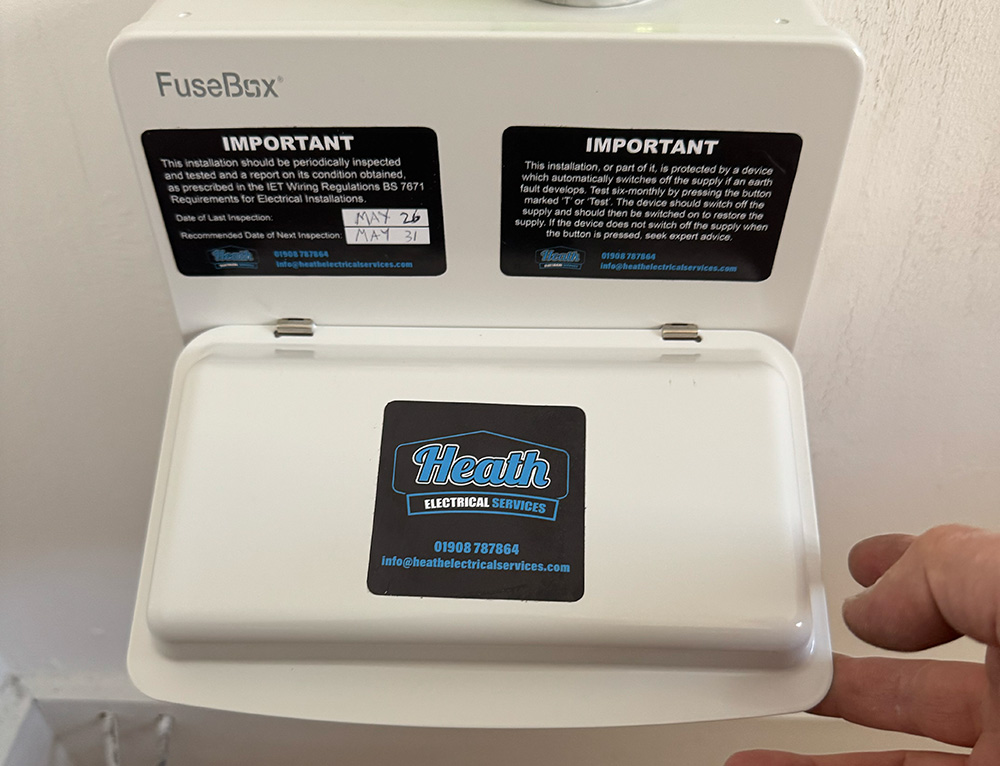
2. An EICR Isn’t Just a Basic Electrical Check
This isn’t just a quick once over – EICRs are a formal and in-depth inspection carried out by a qualified electrician or approved contractor.
The inspection covers:
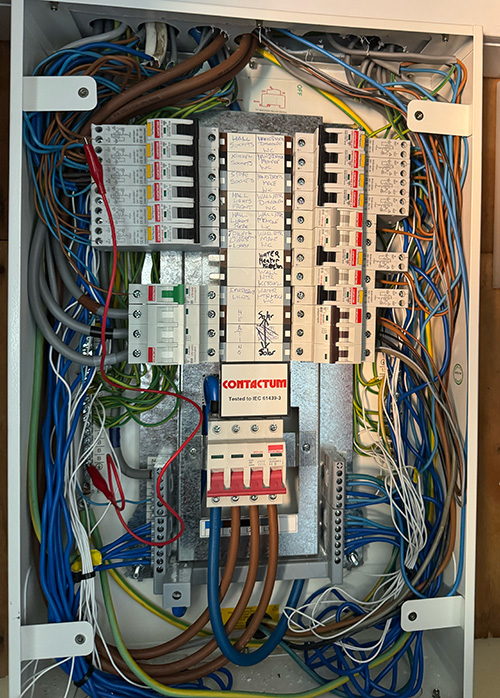
- Consumer units (fuse boards)
- Wiring and circuits
- Earthing and bonding
- Plug sockets
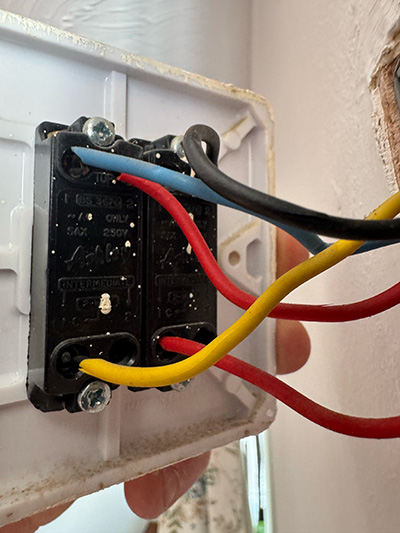
- Light fittings and switches
- Permanently connected equipment such as showers and extractor fans
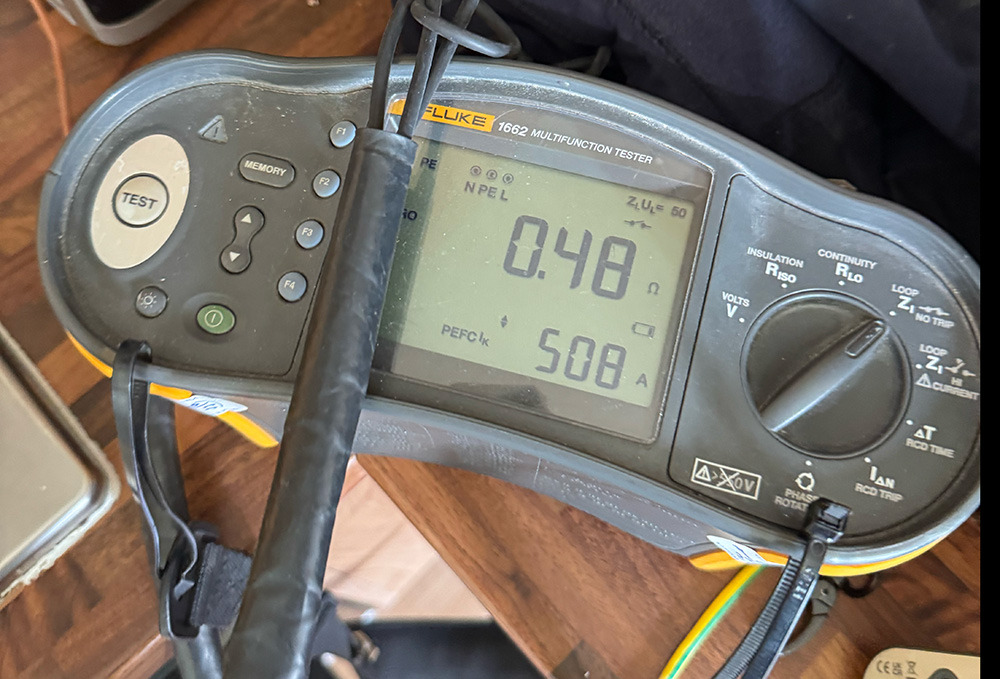
The electrician will check for overloaded circuits, faulty electrical work, deterioration, electric shock risks, and fire hazards.
3. Only a Qualified Electrician Should Carry Out the Inspection
Landlords should always use a qualified electrician experienced in inspection and testing. Choosing a registered contractor helps you ensure the report is completed correctly and in line with current regulations.
4. The Report Will Be Marked “Satisfactory” or “Unsatisfactory”
After the inspection is complete, the electrician will issue an Electrical Installation Condition Report that states whether the installation is satisfactory or unsatisfactory.
If dangerous defects or potentially unsafe issues are found, the report will be classed as unsatisfactory until any remedial work has been completed.
5. Understanding EICR Defect Codes Is Important
EICRs use classification codes to explain the seriousness of any issues found:
- C1 – Danger Present: Immediate danger requiring urgent action
- C2 – Potentially Dangerous: Urgent remedial work needed
- FI – Further Investigation Required: Additional investigation needed without delay
- C3 – Improvement Recommended: Improvement advised but not considered dangerous
Any C1, C2, or FI code will usually result in an unsatisfactory report.
6. Landlords Have Legal Responsibilities After the Inspection
If remedial work is required, landlords usually have 28 days, or less if specified in the report, to complete the repairs.
Landlords must also:
- Provide a copy of the EICR to existing tenants within 28 days
- Give new tenants a copy before they move in
- Provide the report to prospective tenants within 28 days if requested
- Supply the report to the local authority within 7 days if requested
- Keep a copy of the report until the next inspection
Once remedial work has been completed, written confirmation should also be provided.
7. Failure to Comply Can Be Expensive
Local authorities can issue landlords with financial penalties of up to £30,000 for failing to comply with electrical safety regulations.
Regular inspections help you stay compliant while protecting both your tenants and your properties.
8. EICRs Help Prevent Electrical Fires and Shock Risks
Electrical faults are one of the main causes of accidental house fires in the UK. An EICR helps identify hidden problems before they become dangerous, reducing the risk of electrical fires, injuries, and damage.
9. Older Properties Often Need Remedial Work
Older rental properties may need upgrades to meet current safety standards. Common issues found during EICRs include outdated consumer units, inadequate earthing, lack of RCD protection, damaged wiring, or overloaded circuits.
Booking regular inspections helps to avoid larger repair costs in the future.
10. EICR Costs Depend on Property Size
In 2026, EICR costs typically range from around £120+vat to £600+vat depending on the size of the property. A standard two-bedroom flat will usually cost between £150+vat and £220+vat.
While some landlords see it as another compliance cost, an EICR is an important investment in tenant safety, legal protection, and long-term property maintenance.
By staying proactive with electrical inspections, landlords can ensure their properties remain safe, compliant, and ready for tenants.
If you need a certified electrican to carry out an EICR for your property get in touch, or find out more about our services for landlords.