Buying a property is a big investment, and there is plenty to think about before you get the keys. From arranging a mortgage to organising surveys, it is important to understand exactly what you are buying, including the condition of the electrical installation.
While a property might look perfect on the surface, its electrical system could tell a different story. Outdated wiring, overloaded circuits and faulty electrical components can pose safety risks and lead to unexpected repair costs.
One way to gain a clearer picture of a property’s electrical safety is to arrange an Electrical Installation Condition Report (EICR).
In this guide, we explain what an EICR is, why it matters when buying a house, what the inspection involves and when you should consider having one carried out.
What Is an EICR?
An Electrical Installation Condition Report (EICR) is a formal assessment of the condition of a property’s fixed electrical installation.
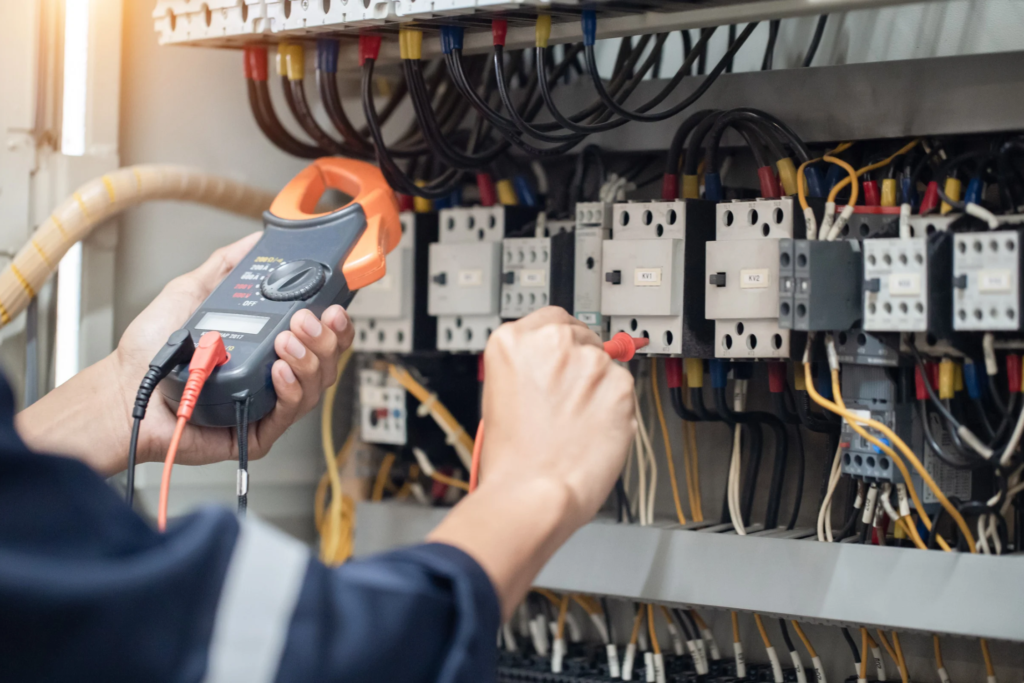
It is carried out by a suitably qualified electrician who inspects and tests the electrical system to identify damage, deterioration, defects and anything that does not meet the relevant safety standards.
An EICR typically covers:
- ▪️The condition of the electrical wiring.
- ▪️The consumer unit (fuse box) and protective devices.
- ▪️The effectiveness of earthing and bonding.
- ▪️Sockets, switches and other fixed electrical components.
- ▪️The suitability of the installation for continued use.
- ▪️Any defects or potential safety concerns that require attention.
Following the inspection, the electrician produces a report detailing the findings and highlighting any recommended remedial work.
An EICR is not the same as a general property survey. A standard home survey may identify visible electrical concerns, but it does not usually involve the detailed electrical testing carried out during an EICR.
Why Should You Get an EICR Before Buying a House?
An electrical inspection can help you make a more informed decision before committing to a property. Here are some of the key reasons to consider one.
1. Identify Potential Electrical Safety Risks
Faulty electrical installations can increase the risk of electric shock and electrical fires. Problems such as damaged wiring, inadequate earthing or incorrectly installed electrical components may not be obvious during a viewing.
An EICR helps identify these issues so that you can understand the condition of the electrical system before completing your purchase.
2. Avoid Unexpected Repair Costs
Discovering electrical problems after moving in can be an unwelcome surprise, particularly when you are already managing the costs associated with buying a home.
If an inspection identifies defects that require remedial work, you can obtain quotes and factor the potential costs into your budget.
Depending on the findings, this information may also help you discuss the condition of the property with the seller before the purchase is finalised.
3. Understand the Condition of Older Wiring
Older properties can have electrical installations that have deteriorated over time or were designed for a different level of electricity usage.
Modern homes often need to support a wide range of appliances, home office equipment, electric showers and electric vehicle chargers. An older installation may require improvements to meet current requirements and accommodate changing needs.
An EICR can help establish whether the existing installation remains safe for continued use or whether further investigation or remedial work is recommended.
4. Plan Future Renovations
If you are planning to renovate a property, it is worth understanding the condition of the electrics before work begins.
You may be considering a new kitchen, an extension, additional lighting or a garden office. Identifying electrical issues early can help you plan the work more effectively and avoid unexpected complications during the renovation.
It can also help you understand whether any upgrades may be needed as part of your plans.
5. Gain Greater Peace of Mind
Buying a home involves enough uncertainty without wondering whether the electrics are safe.
An EICR provides an assessment of the electrical installation at the time of inspection, helping you understand any issues that need attention and make decisions based on the findings.
Although no inspection can guarantee that future faults will not occur, it is a valuable step towards understanding the property’s electrical condition.
What Happens During an EICR Inspection?
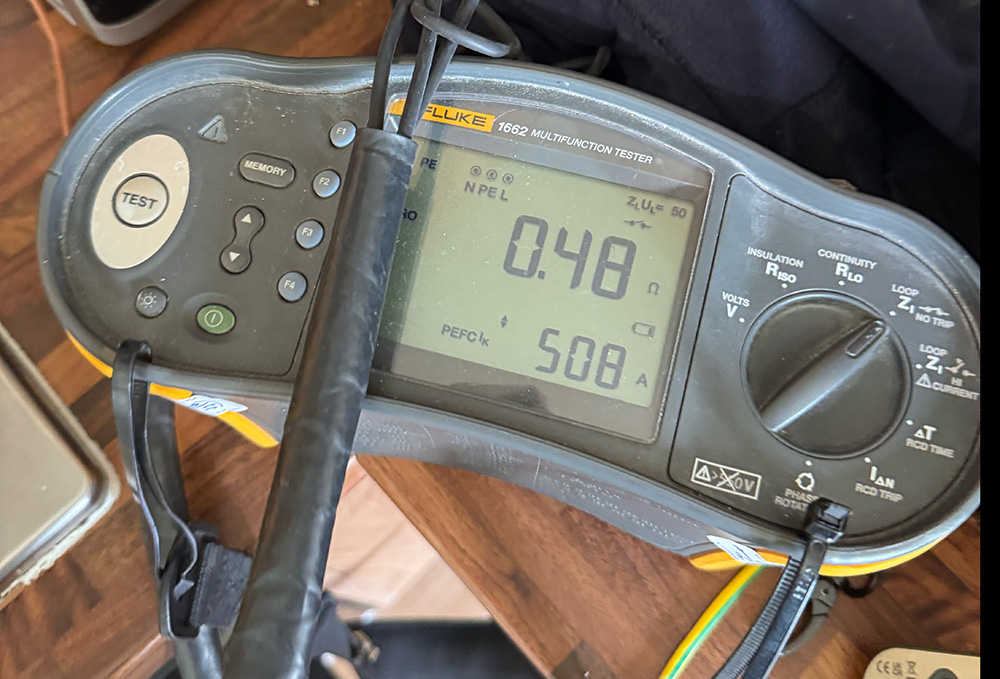
An EICR involves a combination of visual inspection and electrical testing.
The electrician will examine accessible parts of the installation and carry out appropriate tests to assess its safety and condition. This may include checking the consumer unit, testing circuits and protective devices, and assessing earthing and bonding arrangements.
Some circuits may need to be isolated during testing, so there may be temporary interruptions to the electricity supply.
Once the inspection is complete, you will receive a report explaining the findings and identifying any issues that need attention.
The inspection is focused on the fixed electrical installation. It is not a full inspection of every portable appliance in the property, nor does it automatically cover every electrical accessory or item of equipment.
Understanding EICR Codes: What Do They Mean?
One of the most important parts of an EICR is the classification of any defects identified during the inspection.
The report uses specific codes to indicate the seriousness of any issues and whether remedial work is required.
C1 – Danger Present
This indicates that there is an immediate danger. Urgent action is required to remove the risk, and the electrician may need to make the situation safe immediately.
C2 – Potentially Dangerous
This identifies a potentially dangerous condition that requires urgent remedial action.
C3 – Improvement Recommended
This means an improvement is recommended, but the issue does not meet the threshold for a C1 or C2 classification.
FI – Further Investigation Required
This indicates that further investigation is needed without delay to establish the nature or extent of a suspected problem.
An EICR is generally recorded as either satisfactory or unsatisfactory. Where a report contains a C1, C2 or FI classification, the overall result will normally be unsatisfactory until the relevant issues have been appropriately addressed. A C3 code alone does not make a report unsatisfactory.
Understanding these codes helps you distinguish between urgent safety concerns and recommendations for improvement.
If an EICR is unsatisfactory, you should discuss the findings with the electrician and establish what work is required, how urgently it needs to be completed and the likely cost.
Is an EICR a Legal Requirement When Buying a House?
In England and Wales, there is generally no legal requirement for a seller to provide an EICR as part of a standard residential property sale. This means you should not assume that an electrical inspection has been carried out simply because a property is on the market.
However, electrical safety requirements differ depending on the type of property and how it is used.
For example, landlords in England are generally required to have the electrical installation inspected and tested at least every five years, subject to the applicable regulations. Different requirements may apply to other types of accommodation and in other parts of the UK.
Even when an EICR is not legally required for a property purchase, arranging one can be a sensible precaution.
If the seller already has a recent report, ask to see a copy and check its date, findings and whether any recommended remedial work has been completed. If there is no report, or the existing one raises concerns, consider arranging an independent inspection before proceeding.
When Should You Arrange an EICR?
Ideally, you should arrange an electrical inspection early enough in the buying process to allow time for the findings to be reviewed before you complete the purchase.
An EICR is particularly worth considering if:
- ▪️The property is older or has an ageing electrical installation.
- ▪️The seller cannot provide evidence of recent electrical testing.
- ▪️There are visible signs of damage or poorly executed electrical work.
- ▪️The property has undergone renovations or extensions.
- ▪️You intend to carry out significant improvements.
- ▪️You are buying a property to rent out.
- ▪️You want a clearer understanding of potential maintenance costs.
There is no single rule that determines when every property needs an EICR. The appropriate timing and scope of an inspection will depend on the property’s circumstances and the condition of its installation.
It is also worth remembering that an EICR is a snapshot of the installation’s condition at the time of testing. The age of the report, any subsequent alterations and the findings themselves should all be considered.
Who Can Carry Out an EICR?
An EICR should be carried out by a suitably competent and qualified electrician with the appropriate knowledge, experience and testing equipment.
When choosing an electrical contractor, check their qualifications, relevant experience and any applicable registration or certification. Ask what the inspection will cover and make sure you receive a written report detailing the results.
If remedial work is needed, ask for a clear explanation of the defects, a breakdown of the recommended work and confirmation of the relevant certification that will be provided when the work is complete.
Choosing a qualified professional helps ensure that the inspection is carried out properly and that you can make informed decisions about the property’s electrical safety.
Make Electrical Safety Part of Your Homebuying Checklist
When buying a property, it is easy to focus on the location, layout, décor and potential to add value. However, the condition of the electrical installation is just as important when assessing the property as a whole.
An Electrical Installation Condition Report can help identify hidden problems, highlight work that may be needed and give you a clearer understanding of the costs involved before you commit.
It is a relatively straightforward step that could help you avoid unwelcome surprises and make a more informed investment in your new home.
Buying a property and want to know more about its electrical safety?
Contact Heath Electrical to discuss arranging an EICR and find out how a professional electrical inspection can help you understand the condition of your property’s installation before you buy.